Services Complete waterproofing,
Complete waterproofing,
end to end.
From diagnosis to the finished surface. One specialist team for every stage of building protection.
From diagnosis to the finished surface. One specialist team for every stage of building protection.
Most leaks are fixed twice: once badly, then properly. We start by finding where the water really enters, then choose the system that suits the structure, not the one that is easiest to sell.
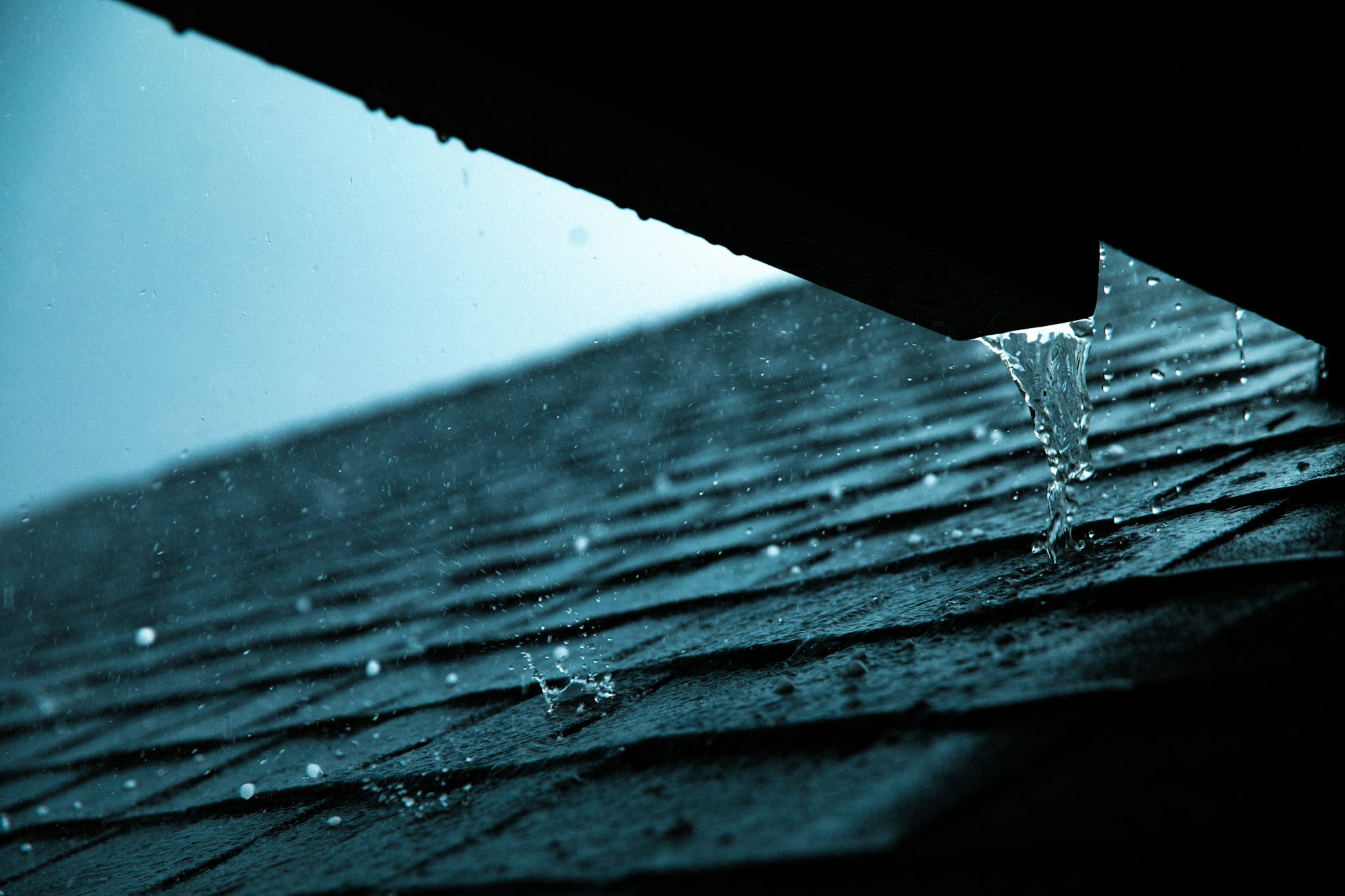
Sheet membranes are the workhorse of large-area waterproofing. Laid as continuous rolls and fully bonded at the laps, they form an unbroken barrier that flexes with thermal movement and bridges hairline cracks in the slab beneath.
Learn more
Chemical waterproofing works inside the concrete rather than on top of it. Crystalline treatments react with moisture to grow crystals that block the capillary pores, while liquid acrylic and PU membranes cure into a tough, seamless film that moves with the structure.
Learn more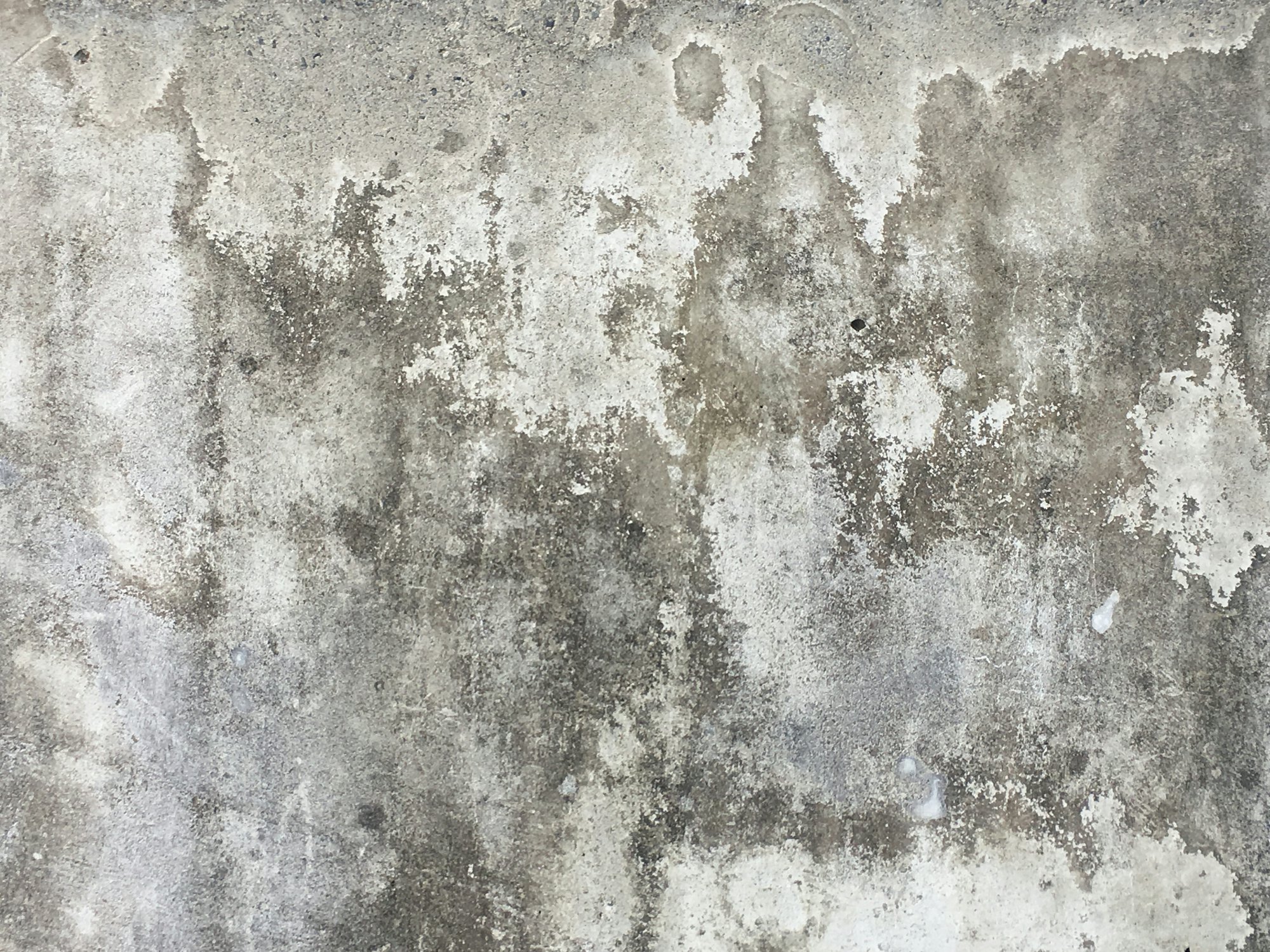
Damp in a wall is rarely cosmetic. Rising damp, lateral seepage and basement water carry salts that blister paint and rot plaster from behind. Painting over it only buys a few months before the problem returns.
Learn more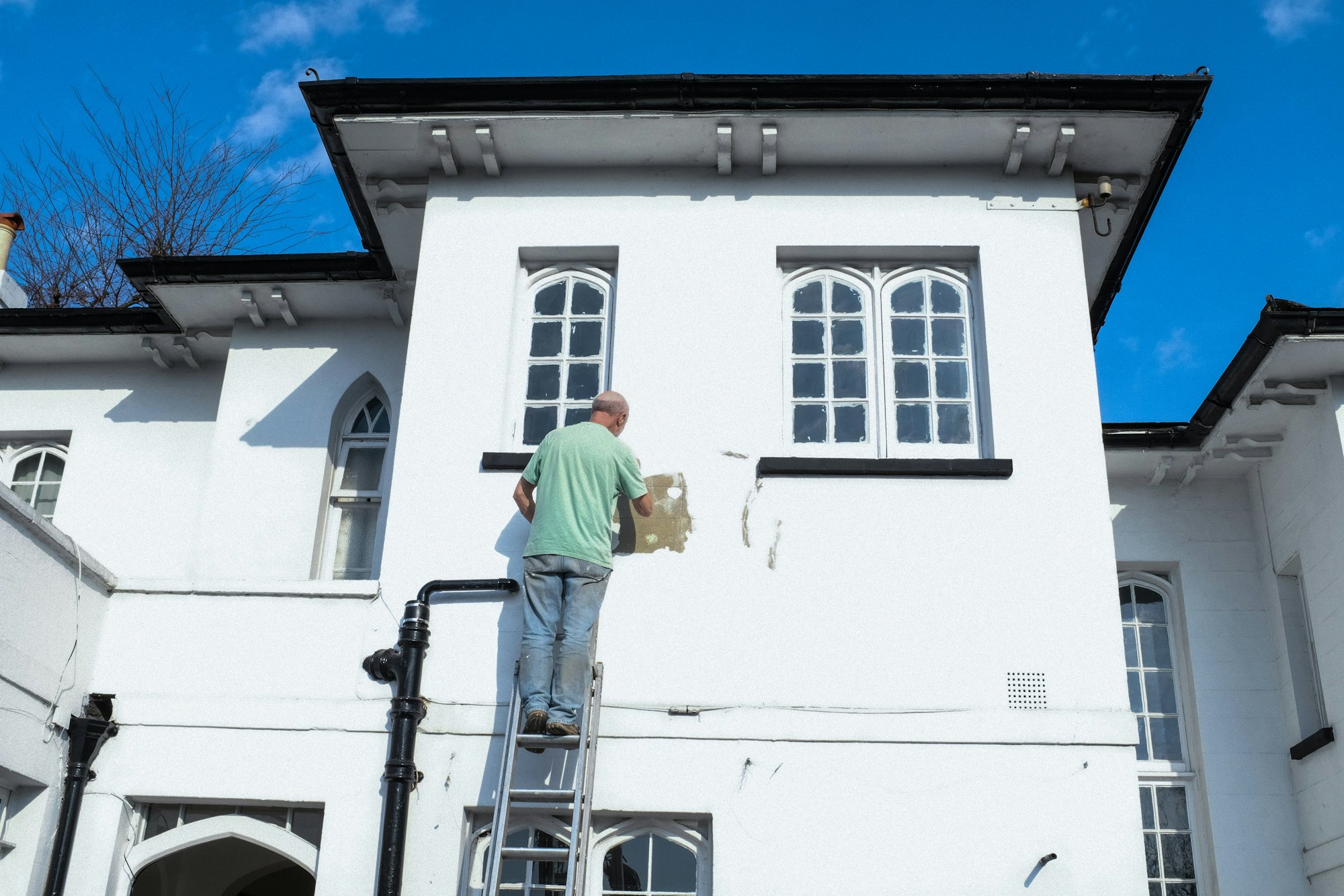
Waterproofing only lasts if the structure underneath is sound. We repair the cracks, spalled concrete and tired plaster that let water in, restoring a proper substrate before any membrane or coating goes on.
Learn moreDr. Fixit · Fosroc · Sika · BASF · MYK Laticrete · Mapei · Pidilite · Asian Paints · Berger · STP